 Written by TC Team
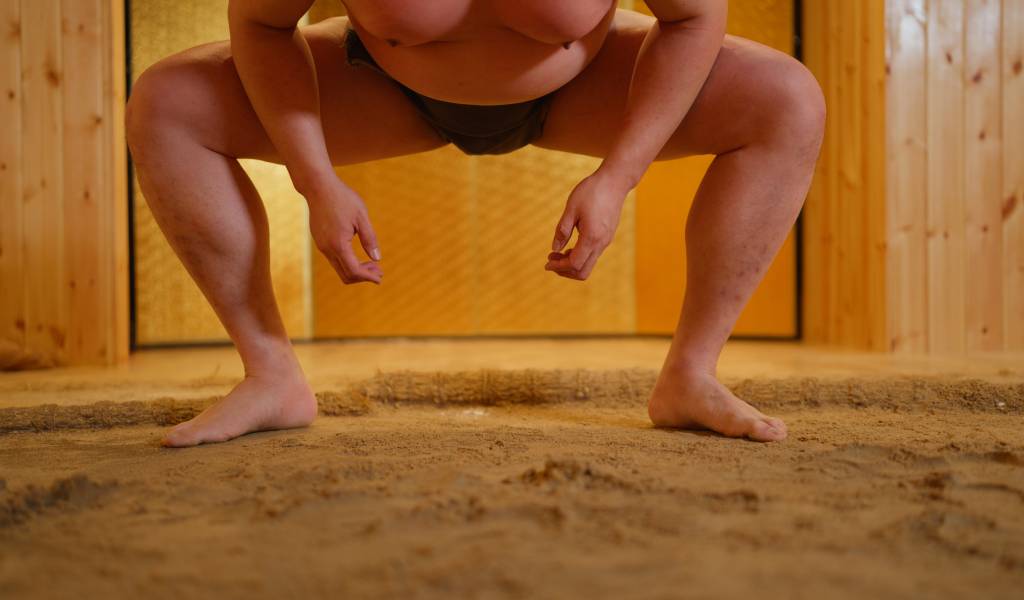
Tickets for Tokyo’s grand sumo tournaments now vanish within minutes of going on sale. But between the six annual tournaments, the Japan Sumo Association takes its wrestlers on the road for jungyō — one-day exhibition events held in local gymnasiums, including plenty within easy reach of central Tokyo.
Cheaper, closer-up, and far more relaxed than a grand tournament, the jungyō might be Japan’s best-kept sumo secret. The autumn tour opens on October 6 with four stops you can day-trip to from Tokyo, and two more follow in December. Here’s how to catch one.
Pro tip: You can also see wrestlers at one of the sumo restaurants in Tokyo.
1. Know the touring seasons
There are four provincial tours a year: spring (late March to April, opening with a dedication event at Ise Grand Shrine), summer (August, the biggest tour), autumn (October), and winter (late November to December). The official schedule is published on the Japan Sumo Association website (in English), with venues added on a rolling basis — the winter dates are usually released in early September.
2. Expect a full day of sumo — starting at 9 a.m.
Doors open at 9 a.m. for open morning training (the JSA has an English rundown of a typical jungyō day). From there, the day rolls through lower-division bouts, jinku (traditional ballads, sung by the wrestlers themselves), shokkiri (comedy sumo), taiko drum demonstrations, the ring-entering ceremonies, and the top-division bouts, before wrapping up with the closing bow-twirling ceremony at around 2:30 p.m.
That’s roughly five and a half hours of sumo and sumo-adjacent entertainment, with a short break around 11 a.m.
3. You’ll get closer to the wrestlers than you ever will at a tournament
A jungyō is run as more of a community experience rather than a ranked competition, and the atmosphere is more casual. Wrestlers might pose for photos, sign autographs, and even chat with fans — especially during the morning session.
Some organizers make it official: the Sayama and Hiratsuka stops both schedule a handshake session with four wrestlers from 9 a.m. to 10 a.m., and Hiratsuka adds a practice bout between wrestlers and local kids. Photography is generally fine — one organizer’s FAQ says snap away, just don’t get in the way of the program. Always check the signs at the venue though, and ask if in doubt.
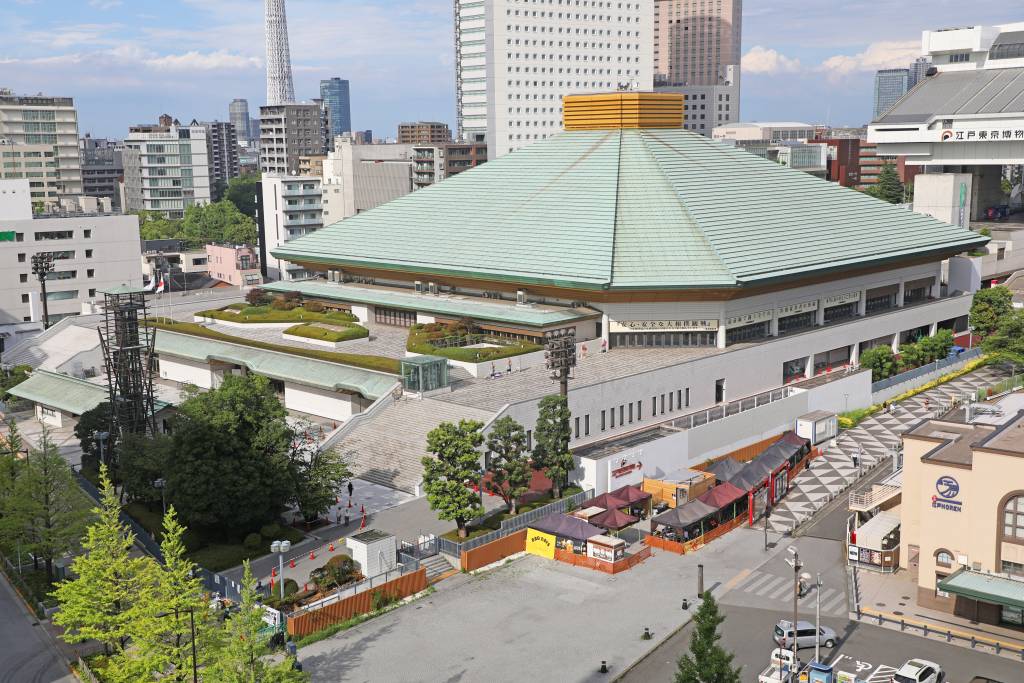
For how all of this compares to the real thing at Ryōgoku Kokugikan, see our full guide to seeing sumo in Tokyo.
4. Upcoming dates near Tokyo
You don’t need to trek into the countryside — every tour sweeps through the Kantō region. These 2026 stops are all day-trippable from central Tokyo, and each runs from 9 a.m. to about 2:30 p.m.:
| Date | Venue | Getting there | Tickets from |
|---|---|---|---|
| Oct. 6 (Tue) | Tsukuba Capio Arena, Tsukuba, Ibaraki | About 45 min from Akihabara on the Tsukuba Express, then about a 10-min walk from Tsukuba Station | ¥8,000 |
| Oct. 7 (Wed) | Ebina Sports Park General Gymnasium, Ebina, Kanagawa | Odakyū Line to Ebina Station (about 45 min from Shinjuku), then about 20 min by bus; or a 15-min walk from Shake Station on the JR Sagami Line | ¥6,000 |
| Oct. 8 (Thu) | Sayama Civic General Gymnasium, Sayama, Saitama | Seibu Shinjuku Line to Sayama-shi Station (about 45 min from Seibu-Shinjuku), then a 20-min bus to the Chikōzan Park terminus | ¥10,000 |
| Oct. 9 (Fri) | Chichibu City Culture and Sports Center, Chichibu, Saitama | Seibu Laview from Ikebukuro to Seibu-Chichibu Station (about 80 min), then a Seibu bus on the Haraya line to the Bunka Taiiku Center Iriguchi stop | ¥6,000 |
| Dec. 15 (Tue) | Tokkei Security Hiratsuka General Gymnasium, Hiratsuka, Kanagawa | JR Tōkaidō or Shōnan-Shinjuku Line to Hiratsuka Station (about 1 hour from Tokyo or Shinjuku), then a 10-min bus from the north exit | ¥6,000 |
| Dec. 16 (Wed) | Hasuda City General Citizens Gymnasium (Parcy), Hasuda, Saitama | JR Utsunomiya Line to Hasuda Station (about 40 min from Ueno), then an Asahi bus from the east exit to the Parcy-Hastopia terminus | ¥6,000 |
The venue links go to each stop’s organizer page (Japanese only), which is where you will find the ticket links. Don’t dawdle: as of early October, Chichibu is down to its last few seats, while Tsukuba, Ebina, and Sayama still have tickets.
The December dates move fast too — Shizuoka’s December 13 stop, about an hour from Tokyo by Shinkansen, sold out by early August, and Fuji’s December 14 date isn’t far behind.
The spring tour is the most Tokyo-centric of all: the 2026 leg included a free dedication event at Yasukuni Shrine plus ticketed stops in Adachi, Ōta, Fuchū, Yokohama, Fujisawa, Narita, Funabashi, Saitama, Tokorozawa, and Iruma — you can probably expect a similar Kantō-heavy run in April 2027.
The 2026 winter tour, announced on September 4, runs from November 29 to December 20, mostly through Kyūshū and Kansai, with the two Kantō stops above near the tail end.
5. Tickets: where to buy, what they cost, and when to book
Most jungyō tickets are sold through Japan’s big three ticketing platforms: Ticket Pia (which has an English site), Lawson Ticket, and e+. Alongside those, expect very local channels — city hall counters, farm co-op branches, department stores, and organizer phone desks — that are usually cash only and Japanese only.
Many stops also route through the central Ōzumō Jungyō Ticket Office: 0570-05-3366 (10 a.m.–5 p.m., Japanese only). Each venue has its own organizer, with links and contacts listed per event on the Japan Sumo Association schedule page.
At the 2026 Kantō stops, the cheapest seats — upstairs chairs — run ¥6,000 to ¥10,000. Arena-level chairs are ¥11,000 to ¥15,000, ringside tamari cushions ¥15,000 to ¥18,000 (a souvenir cushion is sometimes thrown in), and two-person box seats ¥15,000 to ¥28,000. Bento and souvenir sets cost ¥2,500 to ¥6,000 on top and are advance-only.
It’s not cheap, but it’s still a bargain next to resold tournament tickets.
Sales open two to five months ahead: Tsukuba’s October 6 tickets went on sale May 16, Sayama’s on July 3, and Hiratsuka’s on July 23. Kantō-area dates are the fastest to go, and the popular seat types disappear first — Chichibu’s box and wheelchair seats were gone by September 1, and most of its chair seats had followed by late September. If a date works for you, book the moment sales open.
6. Before you go: rules to keep in mind
- The hall is usually a no-shoes zone (at some venues, just the arena floor) — bring slippers or thick socks.
- Local counters and phone desks are often cash only.
- Child policies vary by seat tier. At most stops, everyone on the arena floor needs a ticket regardless of age, ringside seats bar preschoolers, and toddlers can sit on laps free in the upstairs seats — the cutoff is anywhere from under 3 to under 5, depending on the venue.
- Several venues ban outside food and drink (alcohol especially).
- Wrestler line-ups aren’t guaranteed — injured wrestlers may skip tour dates, so go for the day out rather than a specific star.
- Check the Japan Sumo Association jungyō schedule (published in English) and the local organizer’s site for the latest details — organizer sites are mostly Japanese only.
While we do our best to make sure it’s correct, information is subject to change.