 Written by TC Team
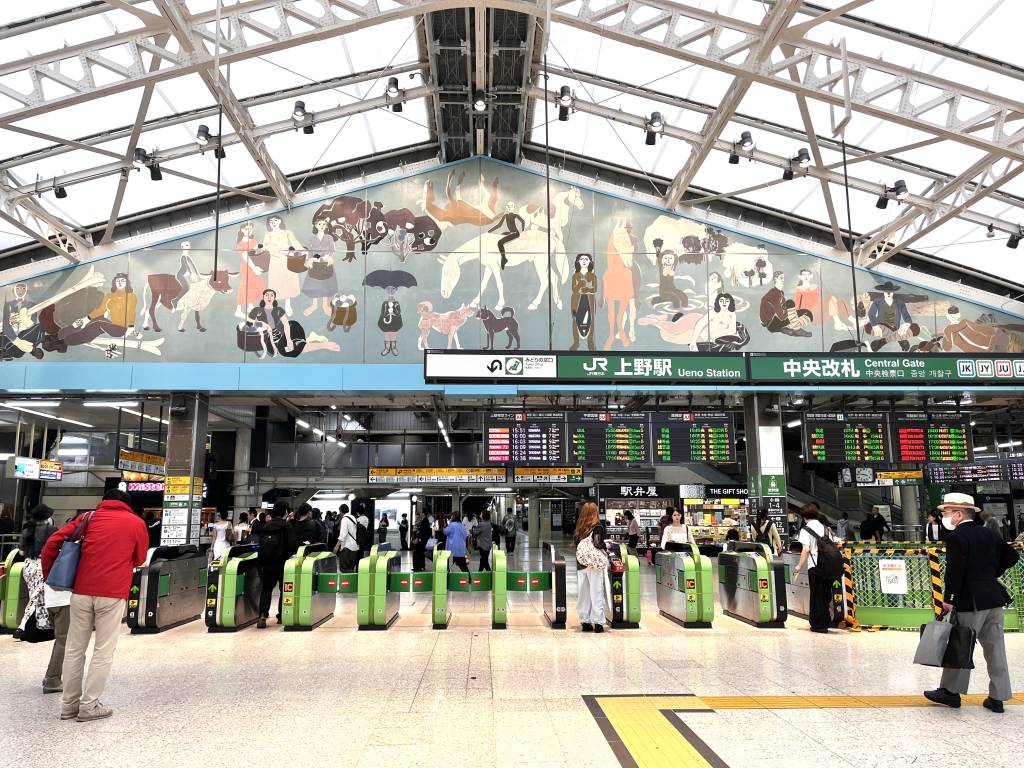
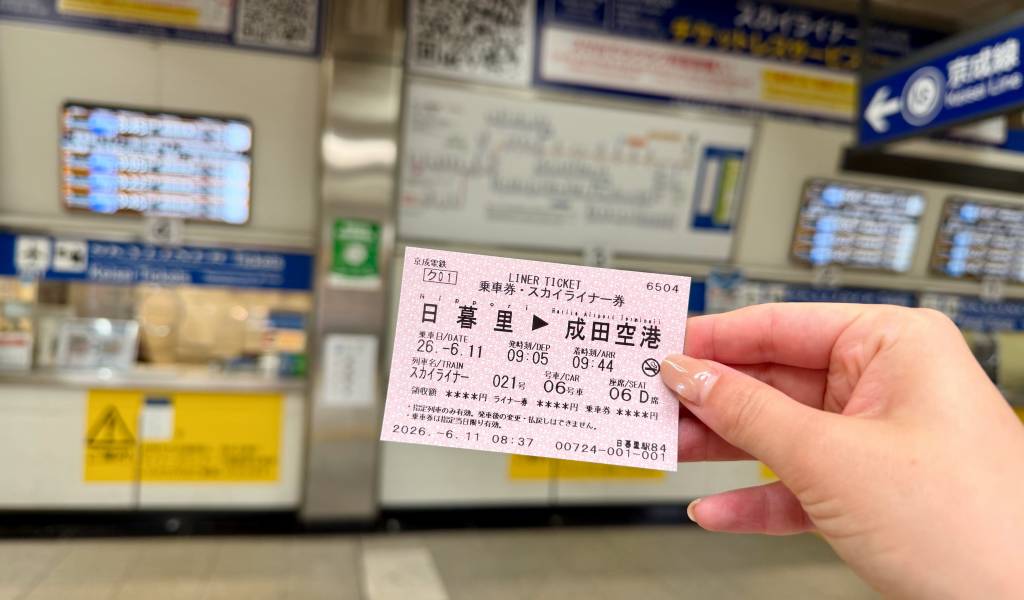
Feeding a little paper ticket into the slot at the gate and grabbing it as it pops out the other side is one of the small rituals of riding a train in Japan (if you don’t have a Suica card, anyway). But from spring 2027, on many of the railways around Tokyo and both of its airports, that ritual ends.
On October 13, 2026, seven railway companies announced that they will be replacing magnetic tickets with QR-code tickets from spring 2027. Instead of feeding the ticket into the gate, you’ll hold it over a reader. Here’s exactly what changes, and who it affects.
Which railways are switching
The seven companies starting in spring 2027 are:
- JR East
- Keisei Electric Railway
- Keikyū
- Tokyo Monorail
- Tōbu Railway
- Hokusō Railway
- Sendai Airport Transit
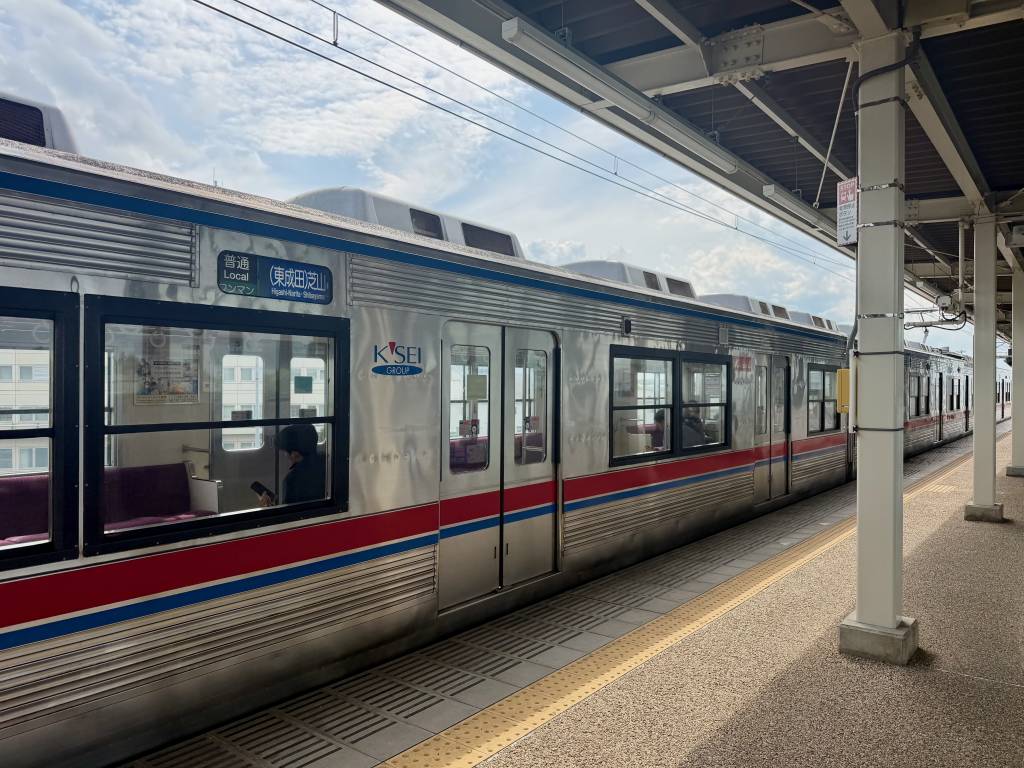
For visitors, the big one is the airports. Keisei and JR East run the main rail links to Narita, and Keikyū and the Tokyo Monorail serve Haneda, so paper tickets on the main airport rail lines will be QR tickets from spring 2027.
The switch covers all lines and all stations of the seven companies, though the announcement notes that how you use the QR-code tickets may vary depending on each station’s equipment.
Seibu Railway, which signed up to the original 2024 plan, isn’t in this first group. According to Tabiris, it plans to follow from fiscal 2027 onward. Railways joining later will announce their own start dates.
What changes at the gate
- Going in. You hold the QR code over the reader on the ticket gate, the way you’d tap an IC card, instead of feeding the ticket into the slot.
- Going out. When you leave the station, you drop the ticket into a collection box on the gate.
- The size. Most tickets from machines will be the large size, 57.5 × 85 mm, up from the current 30 × 57.5 mm. That’s roughly credit-card size, so it won’t vanish into a coin pocket the way the old stub does.
- Stations without the new gates. Where a station doesn’t have a gate that reads QR tickets, you’ll go through the staffed window instead. The railways say more details will follow.
Why they’re doing it
The railways want more people on IC cards, mobile Suica and PASMO, and their own ticketless services, and they say the move to QR is about keeping rail services sustainable in the long run.
JR East’s earlier announcement, in June 2026, was more specific. The magnetic layer on the back of a ticket can’t be recycled, and the gate machinery that physically carries a ticket through is costly to maintain for a shrinking share of passengers. Fewer jammed tickets at the gate should be a side benefit.
Does this affect your trip?
If you’re visiting Japan before spring 2027, no. Paper tickets work exactly as they do now.
If you’re coming after that, the difference is small but worth knowing. You tap the ticket instead of inserting it, and you leave it in the box on the way out. Keep it flat, since a badly creased QR code may not scan.
Regular commuters have been tapping IC cards for years, so the people most likely to meet these gates are visitors and occasional travelers buying single tickets, especially at the airports.
Paper ticket or IC card?
For most visitors, Suica, PASMO, or the phone versions of either are the easier option, and our Suica guide covers how to get one.
A paper ticket can still make sense, though. If you’re only making one or two trips and don’t want to pay a deposit for a physical card, a single ticket is fine. The mobile versions avoid the deposit entirely, but they need a compatible phone.
Source: JR East
While we do our best to ensure it’s correct, information is subject to change.